
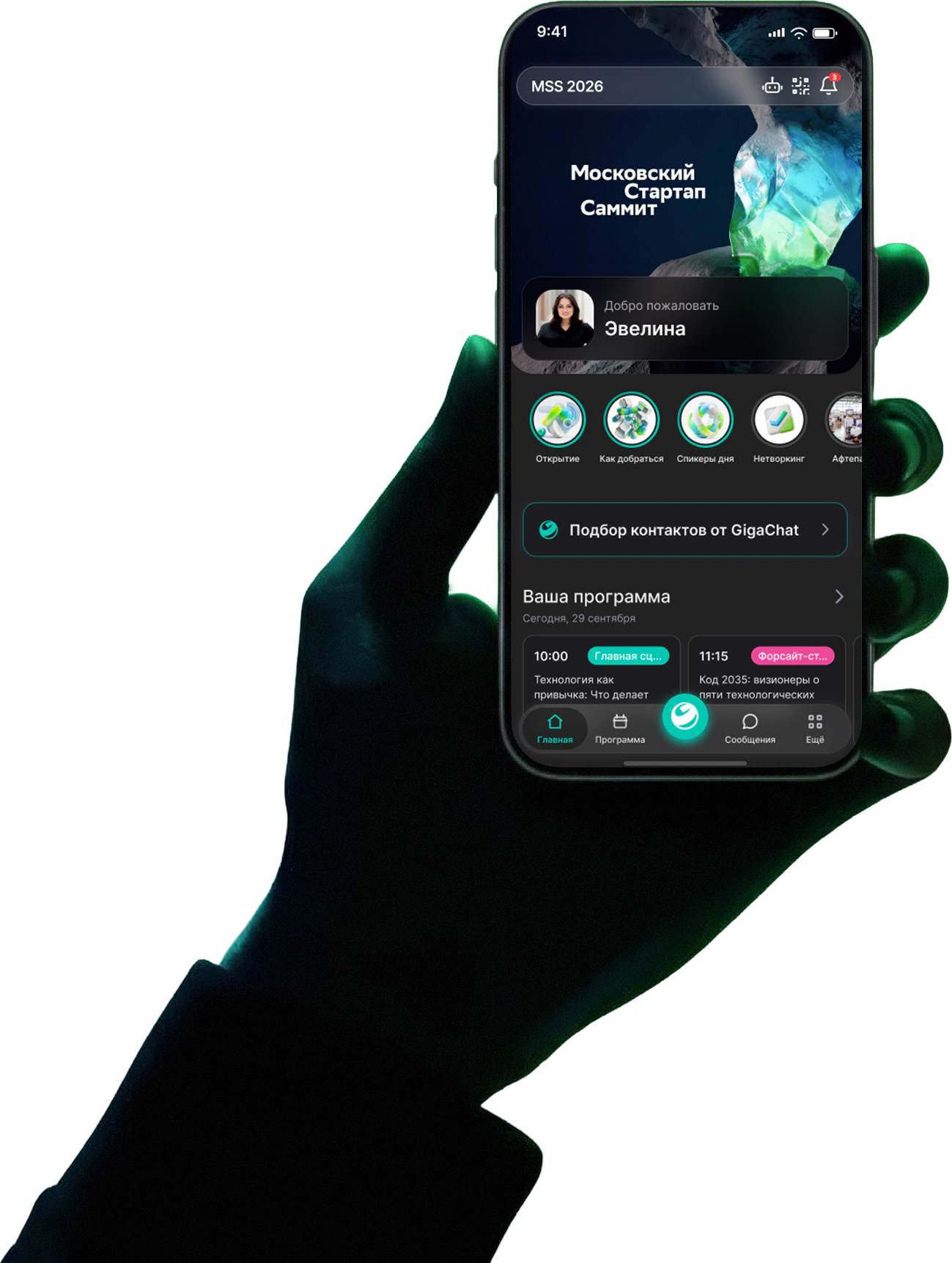


A branded summit app on the Ewento platform: personal networking recommendations powered by GigaChat.
At a large business event, the networking problem is rarely a shortage of people. Quite the opposite: there are too many of them.
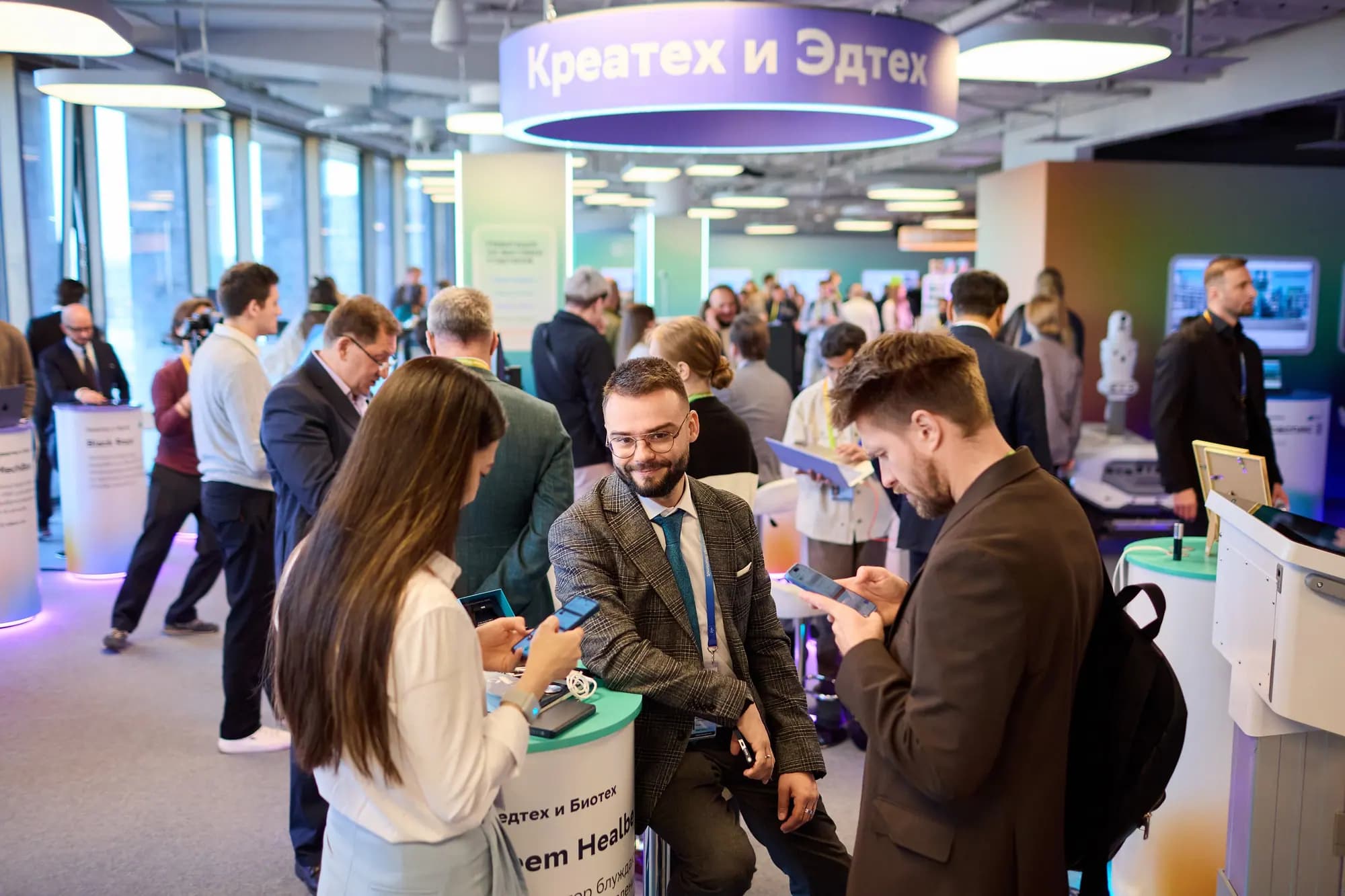
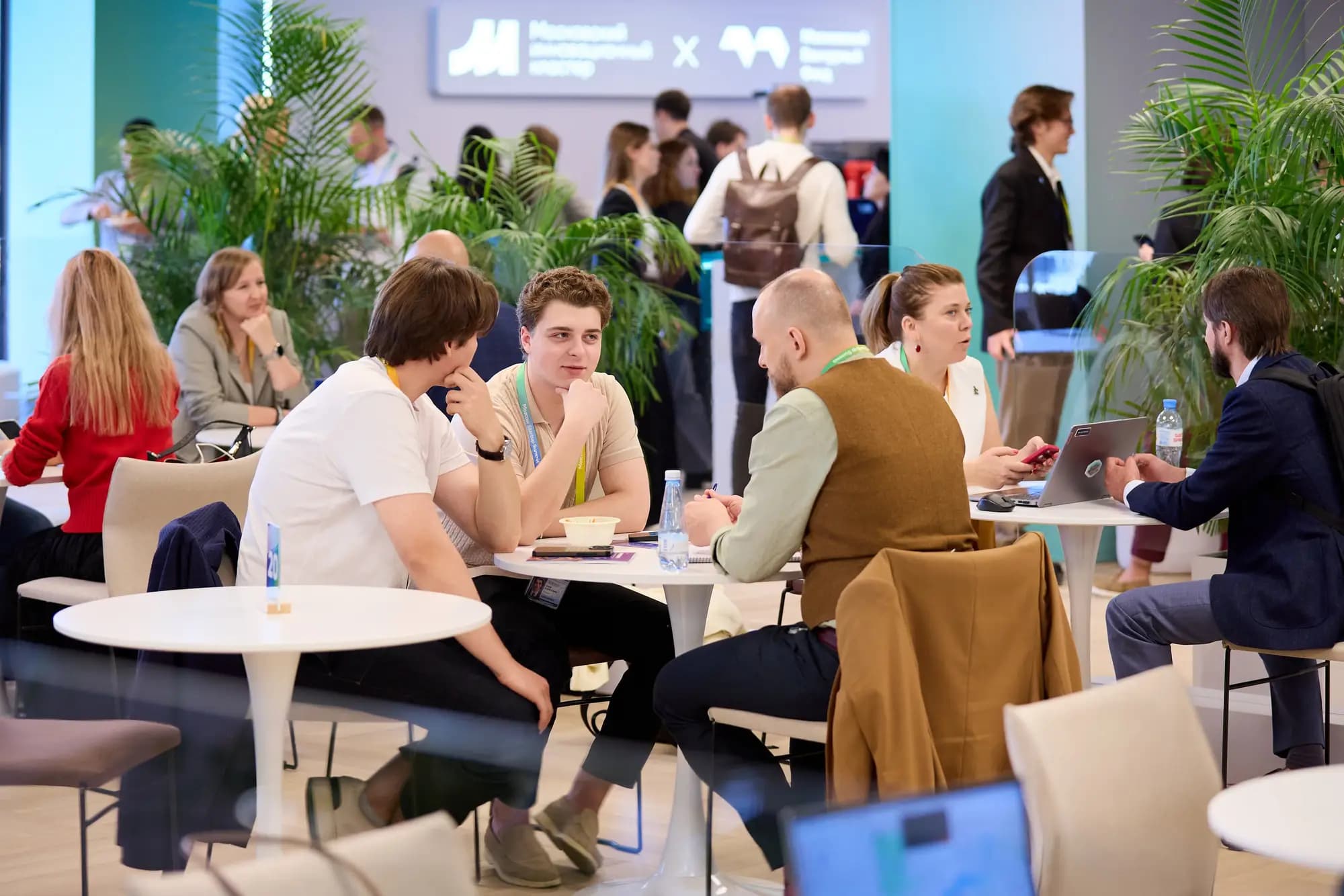
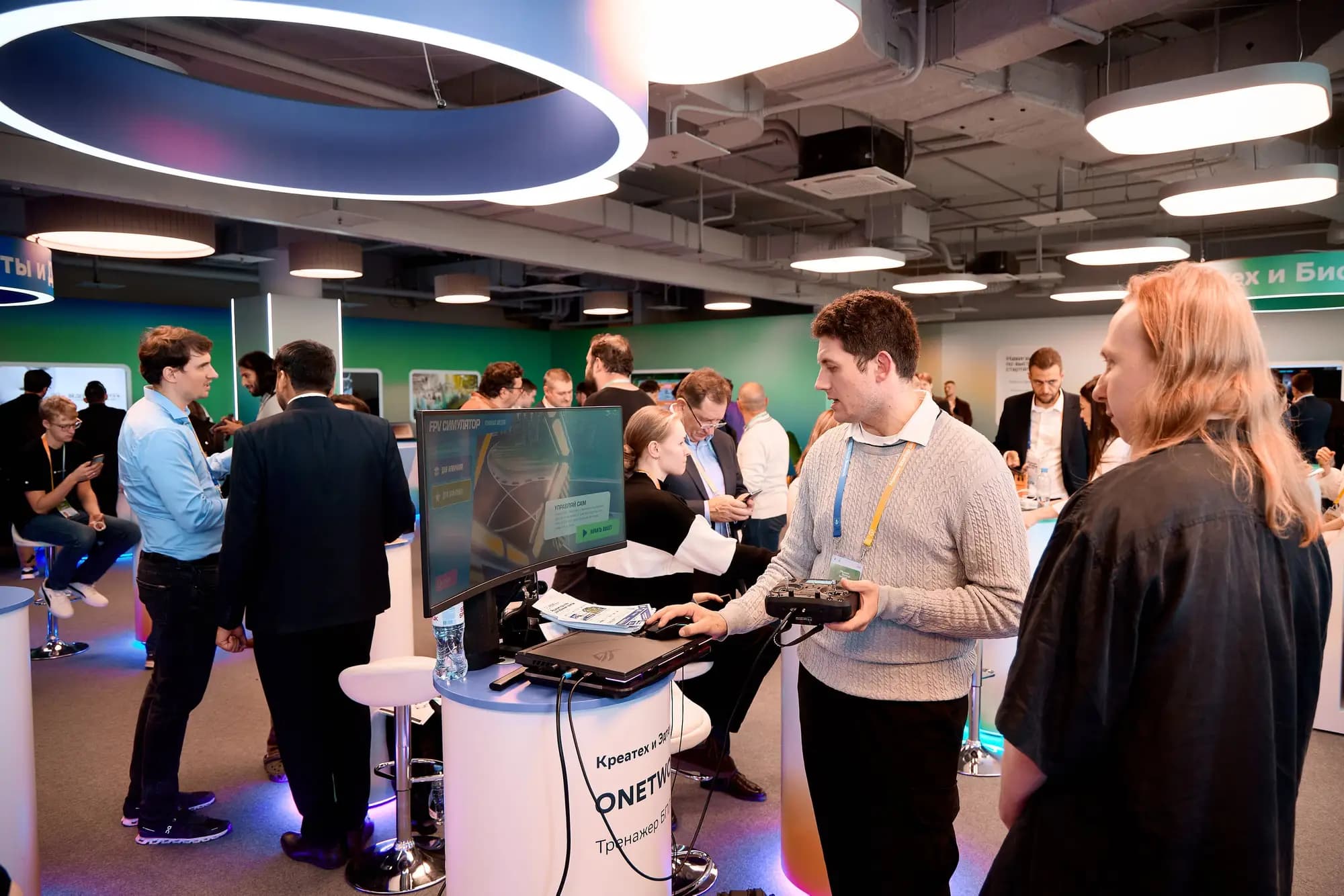
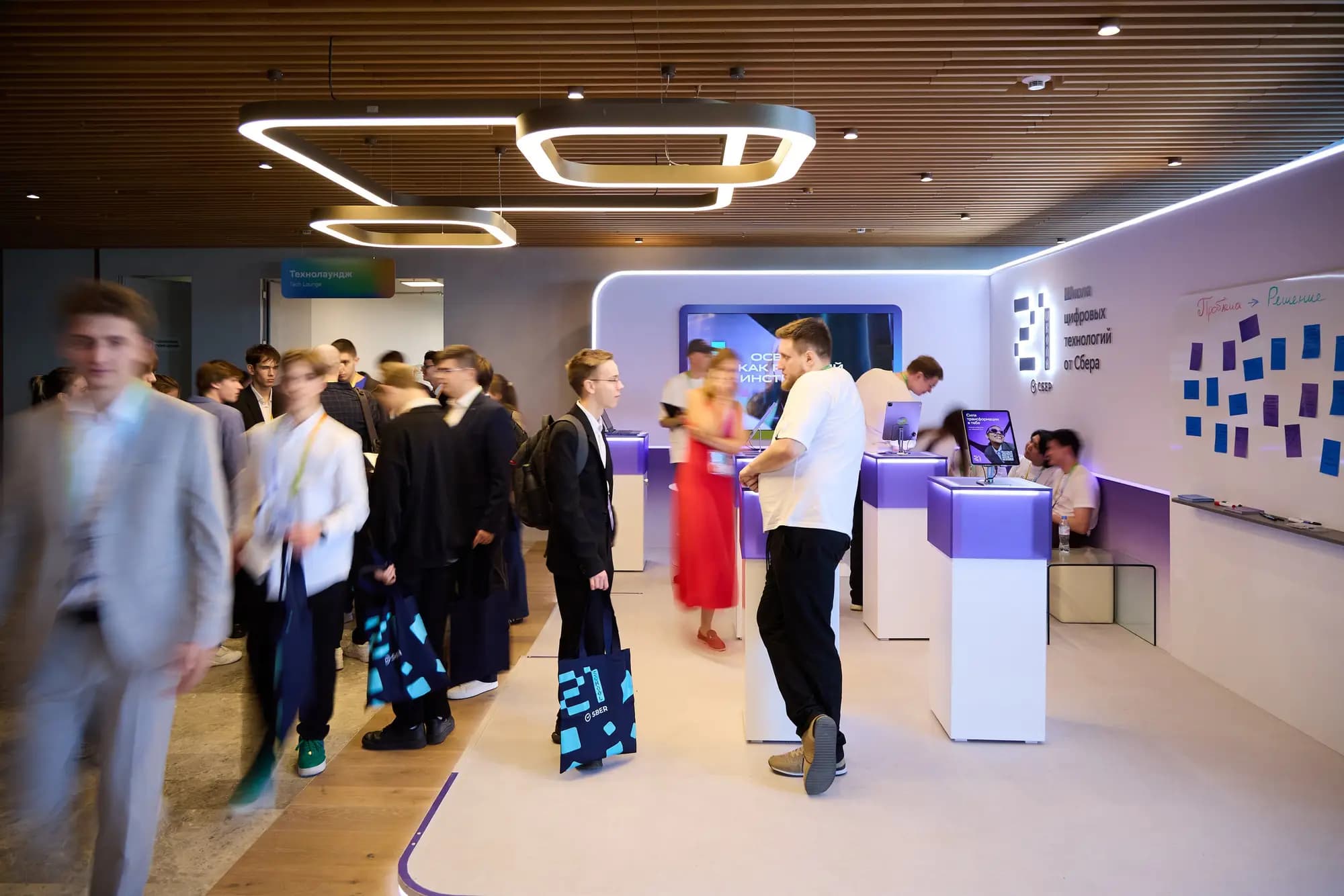
Moscow Startup Summit 2026 brought together startups, investors, corporations, public-sector representatives, speakers, media and other guests. Besides the agenda and the exhibition, the venue had a dedicated tech lounge for one-on-one meetings.
At an event this size, the app can’t just be a digital agenda. It has to help each attendee answer a much harder question:
Which of these thousands of people should I actually meet?
And not just show a suitable person, but explain why the introduction could be useful, help start the conversation and carry it through to a real meeting at the venue. That is the problem we built the Moscow Startup Summit app around, on the Ewento platform.
The client came to us with problems from last year’s summit
Chaotic networking
There was only a directory of attendees, so people messaged everyone in sight — mass spam that nobody answered.
No way to find the right people in the crowd
There weren’t enough filters to search by hand, and the one person worth the trip was easy to miss in the full list.
Overloaded support and long waits
Routine questions swamped the support team, and people waited a long time for answers.
An app that couldn’t be tailored to the event
Much of the interface was hard-coded, so the summit had to live with the defaults.







Making networking manageable
Each group at the summit has its own goal. A startup comes for investment, pilots or partners. An investor looks for companies at a particular stage and in a particular industry. A corporation, technology to pilot or adopt. A public-sector representative, solutions for a region or an agency.
And each audience describes its interest in its own words:
- A startup writes: “Raise investment”An investor: “Find startups for the portfolio”
- A startup states its stage: MVPAn investor is interested in Seed rounds
- A founder: “Find corporate customers and pilots”A corporation: “Find startups to pilot and adopt”
A person sees these connections instantly. A regular directory with filters doesn’t. So attendees don’t have to dig through thousands of profiles: the app builds each of them a personal ranking of useful contacts.
150+contacts in each user’s personal selection.
Precise matching: a smart search for a few relevant partners among 4,500+ attendees.
See it through an attendee’s eyes
- Olgahead of innovation at a bank
Also scouting FinTech projects
- Mikhailfounder of an AgroTech startup
Looking for a first investor, has pilots
- AnnaCEO of a FinTech startup · MVP
Raising a Seed round — your stage and sector
Who makes the first 25 recommendations?
- Startups — 21
- Corporations — 3
- Investors — 1
The first-card mix is the summit average; the people in the deck are illustrative.

- 4,500+attendees
- 53sessions in four halls
- 105startups at the exhibition
Main Stage — Atrium, September 29
First, the system learns who it is talking to
GigaChat
suggests who to meet — and why

Maria Kovaleva
Venture fund partner
Why they may be interesting
Invests at Seed in EdTech — your stage and sector match.

Dmitry Orlov
Head of innovation, bank
Why they may be interesting
Looking for technology to pilot in finance, and your product already works with banks.

Alina Smirnova
CEO of an HRTech startup
Why they may be interesting
You both liked the session on AI in industry and are looking for implementation partners.

Pavel Ershov
Development fund, regional programmes
Why they may be interesting
Backs startups at the MVP stage — your stage fits the programme.

Ksenia Belova
Open innovation, telecom
Why they may be interesting
You are looking for a retail pilot, and this attendee buys solutions for retail chains.

Timur Galiev
Business angel, AI and SaaS
Why they may be interesting
Chose “Find startups for the portfolio” and looks at B2B SaaS — your sector.
At first sign-in, each attendee answers a short questionnaire. The questions depend on their group.
- Startups give their industry, stage, revenue and what they want to get out of the summit.
- Investors give their investor type, target stages, ticket sizes, industries and goals.
- Corporations give the technologies they are looking for, the project stages they consider and the kind of collaboration they want.
- Public sector and media have questions of their own.
In total, 2,518 attendees completed the first-sign-in questionnaire. But it is only one source: the recommendation system also takes into account each person’s profile, group and professional role, how close their descriptions are in meaning, and what they do in the app. Message content, contacts and location are never used for matching.
Profile
- job title and company
- “About me”
- professional role
Questionnaire
- industry and stage
- goals
- collaboration format
- investment profile
Group
- startup, investor, corporation
- public sector, media and others
Behavior
- swipes
- saved sessions
- viewed profiles
- matches and meetings
Ewento · GigaChat
A personal portrait of the attendee
facts + a semantic vector; updated every few minutes and after every swipe
Never used for matching
- messages
- contacts
- location
GigaChat helps capture mutual need, not just similarity
The core difficulty is that a good business match isn’t always two similar profiles. Often the most useful people are the ones who complement each other.
We use GigaChat in the recommendation system. It plays a part in scoring compatibility and helps match answers from different audiences by meaning, recognizing supply and demand even when the two sides describe the same opportunity in completely different words.
The organizer stays in control of the logic: pairs and their strength can be adjusted or switched off.
- = same answer
Startup
FinTech
Investor
FinTech
A word-for-word match — any filter can do this.
- ↔ complementary goal
Startup
Raise investment
Investor
Find startups for the portfolio
Different words, one deal: each wants what the other offers. That is what GigaChat sees.
GigaChat proposes the pairs; the organizer reviews and adjusts them
Each matching criterion carries its own weight
For every potential pair, the system calculates an overall compatibility score, with each criterion carrying a different weight. The strongest criterion is what attendees said about their own goals in the questionnaire.
40%Questionnaire
industry, stage, goal, complementary answers
- Questionnaire 40%: industry, stage, goal, complementary answers
- Groups 27%: who is shown to whom first: startup ↔ investor, startup ↔ corporation
- Profile 17%: how close profiles and professional context are in meaning
- Role 12%: founder, investor, corporate executive, sales, media
- Activity 4%: additional in-app behavior signals
Maximum contribution of each criterion to a pair’s score in the summit configuration. Attendees never see the scores — they only set the order of recommendations.
This avoids the naive “similar people first” logic. For a startup founder, a relevant investor or a corporate head of innovation ranks above another founder with a similar bio whenever they better match the attendee’s stated goal.
Roles and groups shape matching too
A shared industry isn’t enough. Two FinTech founders can genuinely help each other. But if one of them came to raise money, a venture fund partner ranks higher.
So the system takes professional roles and rules between groups into account. Some combinations get a higher priority — for example, founder → investor or founder → corporate executive. Others can be neutral or excluded from recommendations entirely. This lets the organizer shape the networking mechanics of the whole event instead of hand-picking profiles.
×2 — priority in both directions between every pair of groups
Media×0
get recommendations but don’t appear in anyone else’s
Role boosts
- FounderInvestor×2
- InvestorFounder×2
- FounderCorporate executive×1.8
- MediaFounder×1.5
What a single match looks like
Picture a FinTech startup founder — call her Anna. She chose FinTech as her industry, MVP as her stage and “Raise investment” as her goal. Also in the system is Igor, a venture fund partner: industries FinTech, AI & ML, round Seed, goal “Find startups for the portfolio.” The system sees several strong signals at once — and Igor rises in Anna’s personal ranking.

Anna
- CEO of a FinTech startup
- MVP stage
- wants to raise investment

Igor
- venture fund partner
- FinTech · AI & ML
- invests at Seed
- looking for portfolio startups
- Same industry: FinTech
- Stages fit: MVP ↔ Seed
- Complementary goals: investment ↔ startup search
- Complementary roles: founder ↔ investor
- Priority group link: startup ↔ investor
GigaChat explains why this particular person could be useful
A high ranking on its own means little to an attendee. So for the top recommendations, the app generates a “Why they may be interesting” note. GigaChat receives the facts behind the recommendation and turns them into a short explanation. The model is not allowed to invent extra reasons — the text is built only from overlaps the system has actually found.

Igor Sokolov
Partner · Fintech Ventures
Why they may be interesting
More
left — skip · right — interested
paired questionnaire answers, shared industry, sessions both liked in the feed, the candidate’s role
So attendees get an answer not just to “who should I look at?” but to the more important question: “why should I spend my time on this particular person?”

Between sessions — SberCity, September 30
A recommendation leads to a real meeting
The next job is to keep a good match from going nowhere. The best candidates go into a personal discovery feed, where attendees mark each card as interesting or skip it. Mutual interest produces a “Business Match!” screen, with a direct path to chat or to proposing a meeting.
An invitation includes a time and place, the other attendee can accept or decline it right in the app, and a push reminder arrives before the meeting. The tech lounge ran on tables: attendees booked meetings, and lounge hosts could see how busy each zone was and seat guests at free tables.
In other words, networking is built as one continuous path:
- understand the goal
- find the person
- explain the recommendation
- get mutual interest
- start a conversation
- set up a meeting
- meet at the venue
01 · Matching
- Questionnaire and profile
- GigaChat + recommendation system
- Personal ranking
02 · Card
- Card + “Why they may be interesting”
- Interested
03 · Match
- Mutual match
- Chat
04 · Meeting
- Propose a meeting
- Time + zone or table
- Push reminder
- Meeting at the venue
Swipes, matches and meetings flow back into the recommendation system and change the next recommendations

- 984confirmed meetings
Networking between sessions, September 29
What came of the networking
A swipe in the feed is only the first step. When the interest is mutual, a business match appears and the two attendees can keep talking.
But what matters more than the swipes is whether introductions turn into real meetings. The whole path — from a swipe to a meeting at a table — is in the chart below.
Lounge hosts also seated walk-in guests at free tables 183 more times. After each meeting the app asks for a rating — and 92% of the ratings were a perfect 10.
- 57,266swipes
- 22,911“interested” reactions
- 718mutual matches
- 2,700meeting invitations
- 984confirmed meetings
- 9.8/10average meeting rating
A path from interest to meetings, not a funnel: you could invite someone to meet without matching first.
A big event’s second problem: thousands of questions for the organizers
With several thousand people on site, even simple questions quickly pile up on the support team: where is the right hall, when does a session start, who is speaking, how do I find a booth, what’s on now, where is my meeting. Most of the answers are already in the event materials — but the attendee needs them right now, not a few minutes after contacting support.
So we built a GigaChat-powered AI assistant into the app. It works from the event’s own data and answers questions about the agenda, venue, speakers and attendees.
The assistant takes questions that would otherwise go to the support team — and answers in seconds.
How do I get to the venue?
Cards in the answers are tappable — just like in the app
Attendees asked
- 3,199requests
- 987attendees
- 900+questions and issues resolved
- 74%of answers came with a card you can act on
- 4.3 secmedian response time
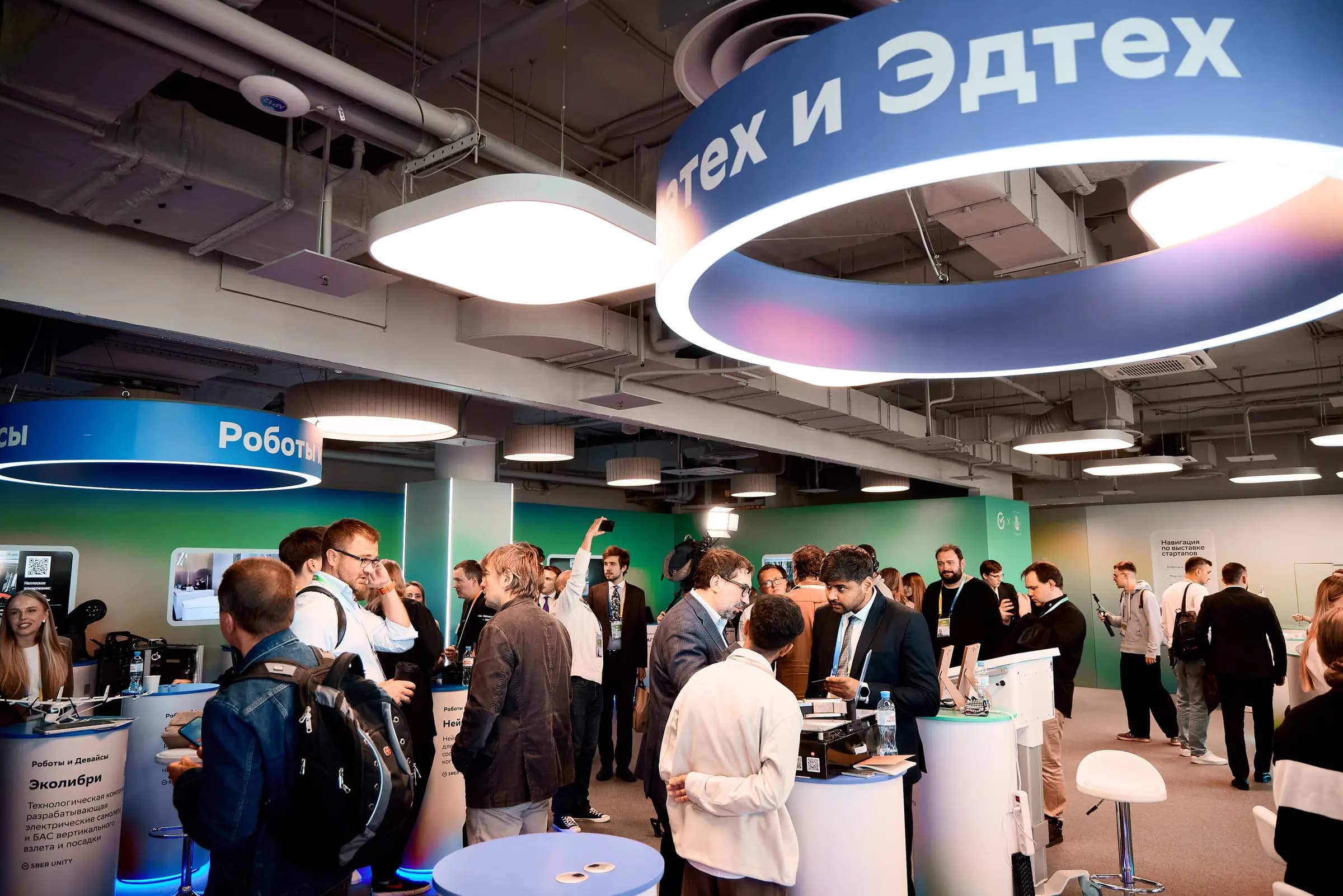
- 105startups at the exhibition
- 217speakers
Startup exhibition, September 29
For all this to work, the data updates itself
Behind the user-facing features is another layer of work attendees barely notice. Attendee records sync with the summit’s registration and check-in system, so new attendees appear in the app without manual imports. The agenda — sessions, halls and speakers — refreshes from the summit website automatically, and every exhibition booth has a description, contacts and materials.
What the summit app included

Dmitry Orlov
Head of innovation, bank
Maria Kovaleva
Venture fund partner
Why they may be interesting
Invests at Seed in your sector and is looking for portfolio startups.
Introductions feed
GigaChat-powered recommendations that explain why someone is worth meeting
- 10:00
Summit opening
Atrium
11:30Venture in the age of AI
Hall 2
14:00Startup demo day
Hall 3
In 10 minutes: “Venture in the age of AI”Agenda and personal schedule
53 sessions across four halls, favorites and reminders before each one starts
Where is the demo day?
In Hall 3, starting at 14:00. Here is the session:
Startup demo day
14:00 · Hall 3
AI assistant
Answers questions and shows session and people cards right in the chat
- Invitation
- Confirmed
- Table 25 · 15:30
One-on-one meetings
Invitation, confirmation and a table in the networking lounge
 That’s you



Photo albums with face search
The app finds the shots an attendee appears in
- AtriumTech loungeExpoYou are here
Venue map
Venue plans with markers for halls, booths and zones


 +213
Speakers
Profiles linked to their talks
Meet at table 25 after the session?
Yes, at 15:30
Direct messages
To arrange a meeting and keep the conversation going afterwards
- A1A2A3B1B2B3
Startup exhibition
Booths with descriptions, contacts and materials
- LiveAtrium
Live streams
Streams from the halls right in the app

News and stories
Announcements and summit highlights in a familiar stories format
Meeting in 15 minutes
Table 25, tech lounge
Session starting
“Venture in the age of AI”, Hall 2
Push notifications
Meeting and session reminders, organizer messages to specific groups
How was the meeting?
Surveys and feedback
Meeting ratings and attendee surveys right in the app
A partner offer for attendees
Get itPartners and perks
Summit partners and their offers for attendees
Where do I pick up my badge?
Organizers
At the registration desk by the main entrance
Support
A question to the organizers in a couple of taps — no hunting for the info desk
- ПрограммаВстречиСпикеры
Russian and English
Interface and content in both languages
Over the life of the app, attendees started 7,743 conversations and added sessions to their personal schedules 11,201 times. But we deliberately didn’t treat these as a set of separate features: at a big event, an app only works when it connects the attendee’s whole journey.
- understand what’s happening
- find the right session
- discover a useful person
- agree to meet
- meet
- keep the conversation going
The app people talked about at the venue
What we heard at the venue says more about the product than any metric.
What attendees told us
«Your design is so cool — finally something new!»
— summit attendee
«I loved the face search in the photo albums — I found myself among thousands of photos!»
— summit attendee
«Huge thanks to the organizers for the colossal preparation work: spacious foyers, a convenient app, comfortable transfers.»
— startup, attendee survey
«Keep this app :))»
— corporate, attendee survey
«Overall, very functional!»
— startup, app survey
«A super productive meeting!!!»
— startup, meeting rating in the app
Two days on camera
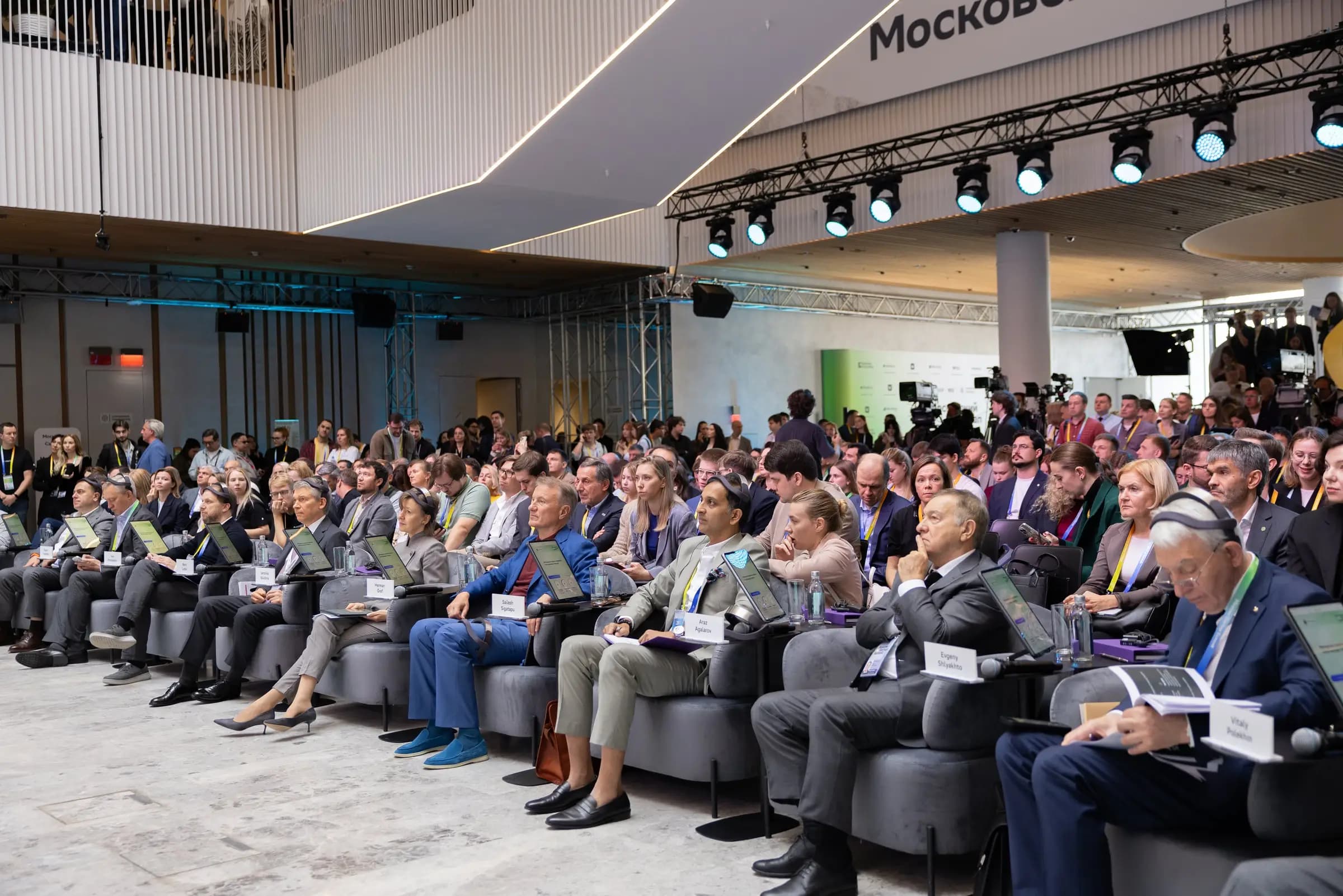
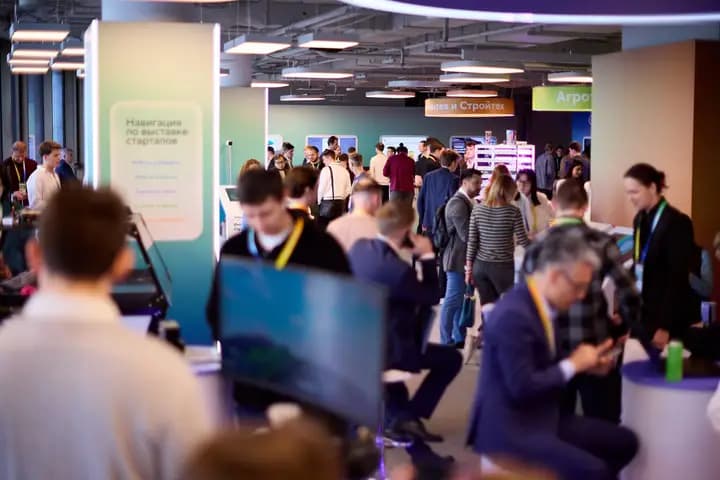
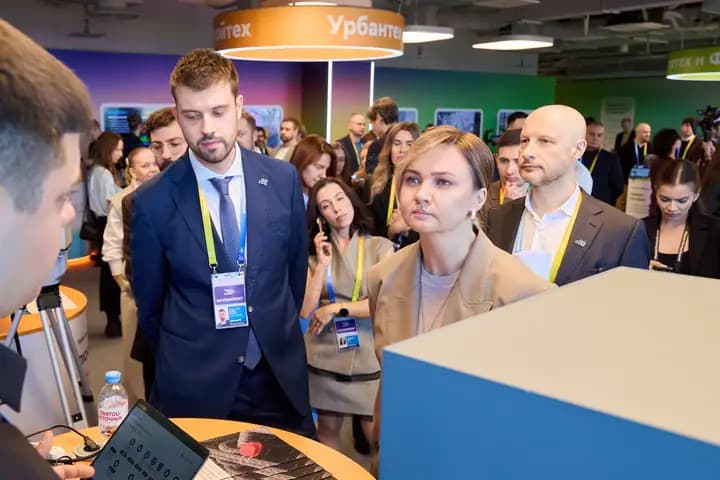
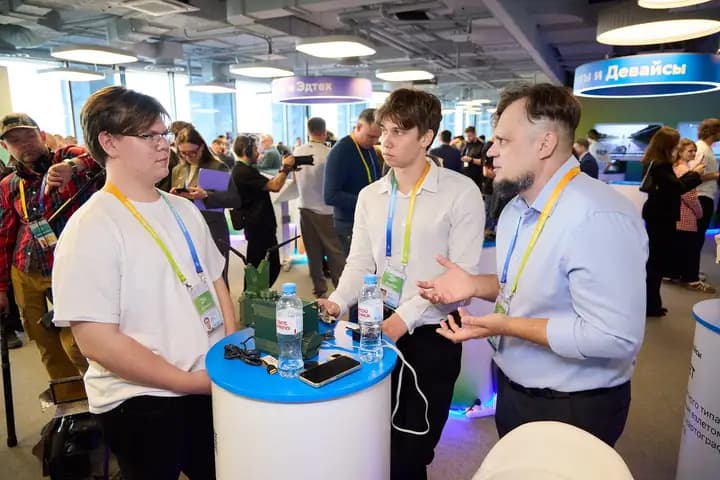
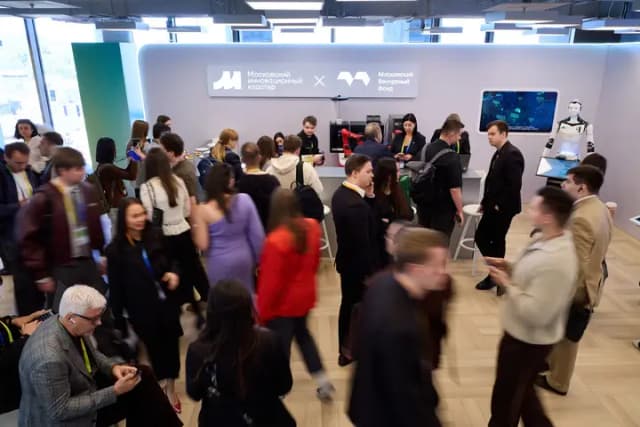
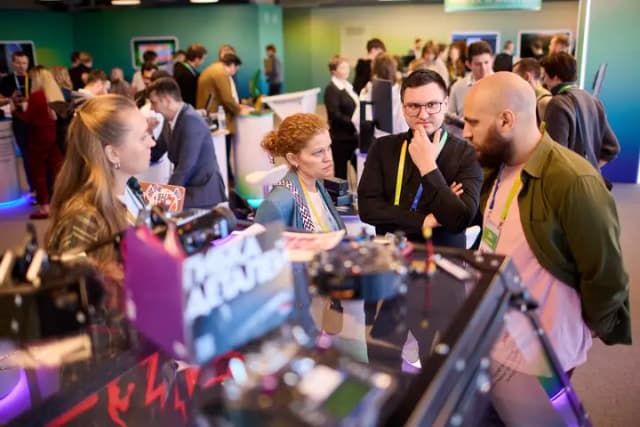
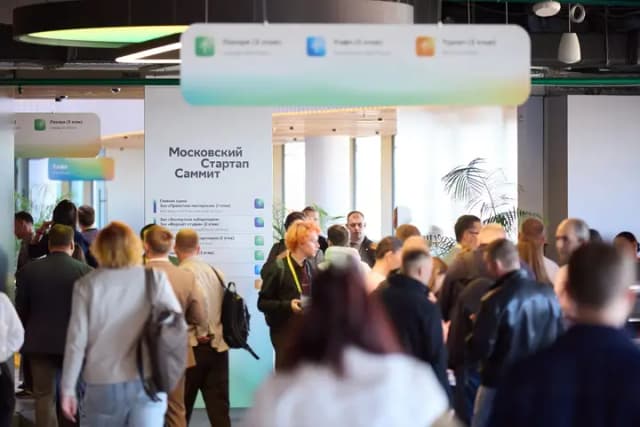
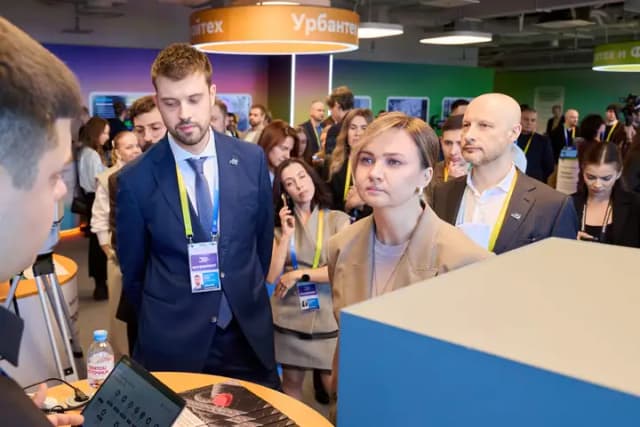
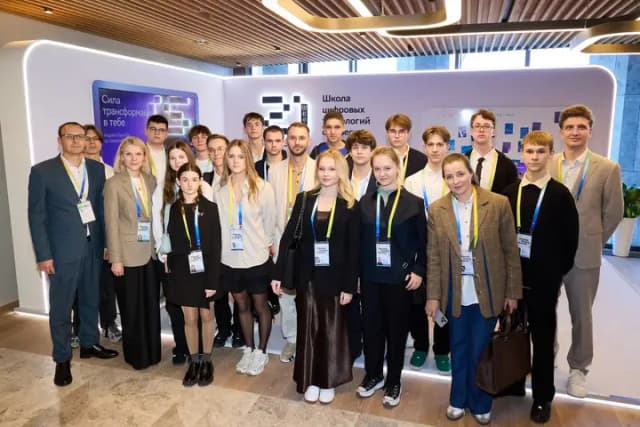
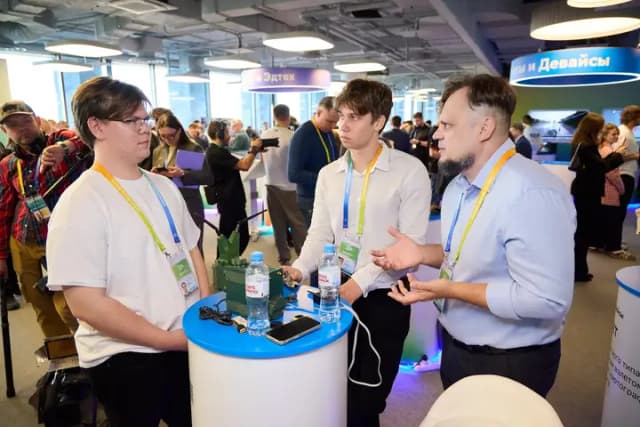
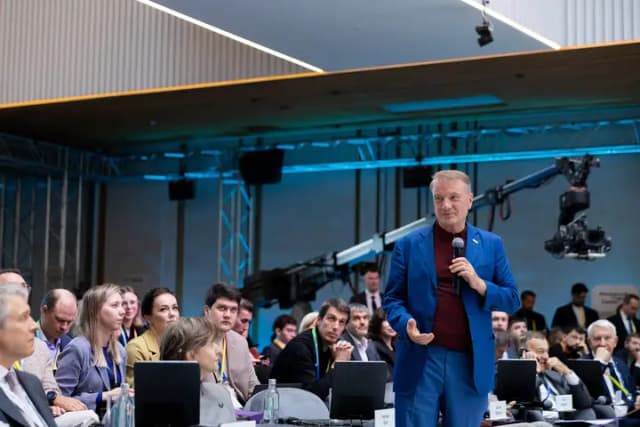
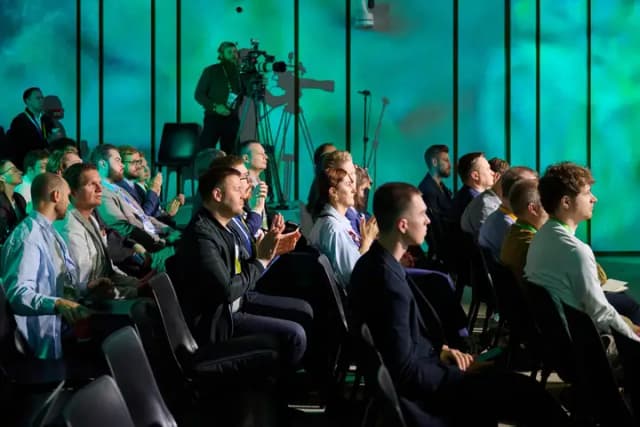
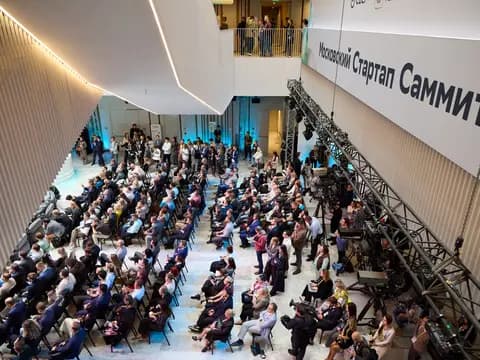
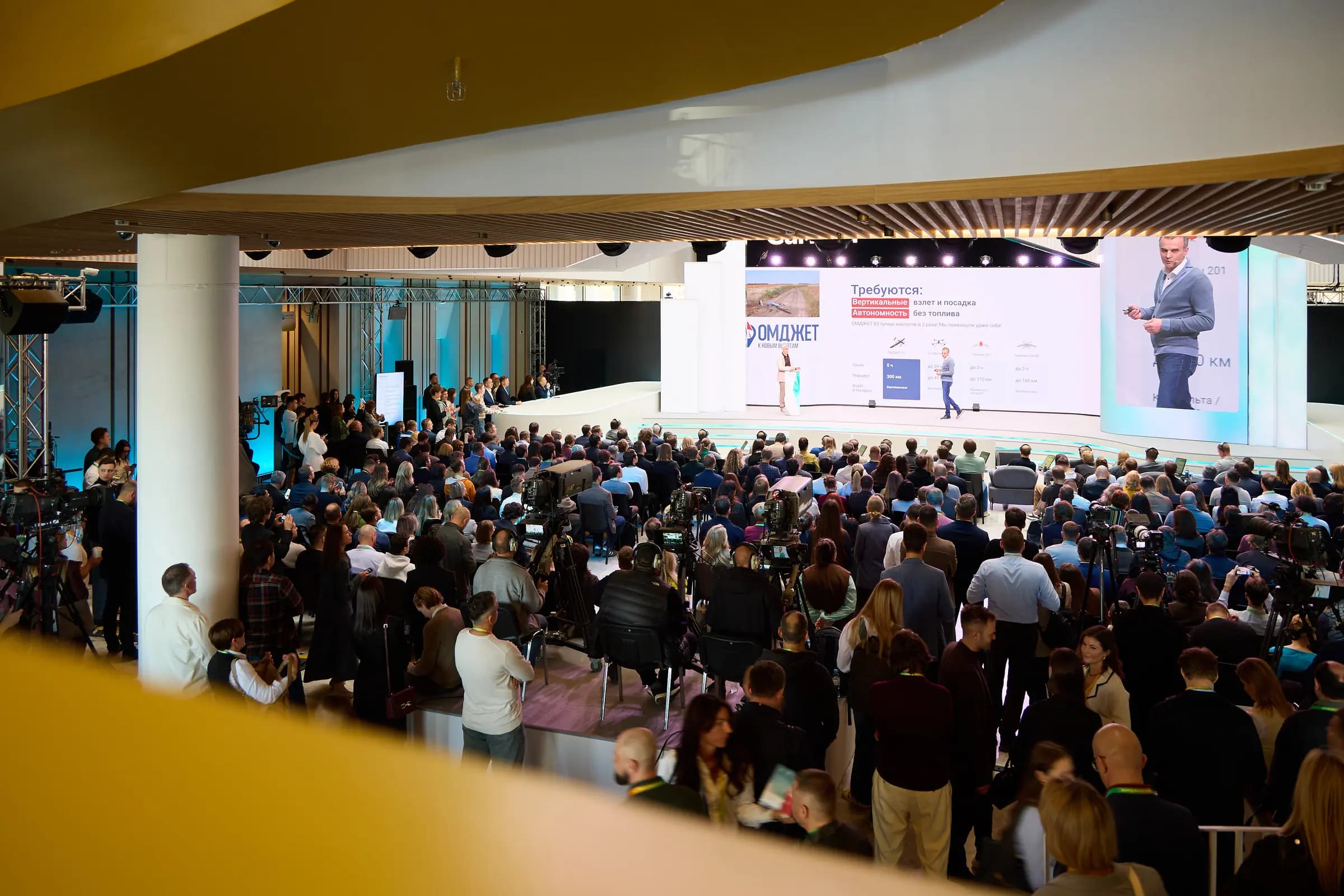
Halls, the exhibition and hallway conversations — shots from the summit album in the app.
















The summit’s own app, not “yet another event app”
The app shipped under the Moscow Startup Summit brand — with its own name and icon on the App Store and Google Play, summit video on the sign-in screen, and the brand palette in light and dark themes. The home screen was built from blocks for this particular event: stories, news, introductions and the summit’s sections. It took about six weeks from kickoff to release.
All of this is platform configuration, not custom development. Organizers turn sections on and off, arrange the home screen, add their own pages and change the design from the dashboard — and the changes reach attendees without a new app release.
Finding yourself among thousands of photos
Attendees don’t have to scroll through every shot from the venue: they tap “Find your photos”, and the app finds the shots they appear in and gathers them under the “Mine” tab.
Summit photo album
4,114 photos
 Find your photosWe’ll find every shot with you using your profile photo





Found 2 photos with you
- 1Profile photoThe search uses the profile photo — only with the attendee’s consent.
- 2Compared with every shotThe app checks every shot in the album, and new ones as they are uploaded.
- 3The “Mine” tabThe shots you’re in are gathered in one place — no scrolling through thousands.
- 4,114photos in the summit album
- 1,275shots in personal “Mine” collections
The summit and the app in numbers
Over the two summit days, attendees spent a combined 1,855 hours in the app: swiping through introductions, arranging meetings, messaging, building personal schedules and asking the AI assistant.
- 718mutual matches
- 984confirmed meetings
- 57,266swipes
- 18,414direct messages
- 3,199AI assistant requests
- 9.8/10average rating of meetings set up in the app216 ratings, 94% gave 9 or 10
53 sessions · 105 startups at the exhibition · 2 days · 4 halls
The summit’s business results
This is what the summit was for: introductions were meant to turn into deals and partnerships. The official results the organizers announced on October 2:
- 4,500+attendees
- 22countries — Russia and 21 more
- 50cooperation agreements
- ₽2.02 bnin investment offers and deals
Figures from the summit organizers, October 2, 2026
What we’re building next
Ready-to-meet signals
An explicit opt-in to networking and an “I’m at the venue” status, so the feed puts people ready to meet right now first.
Transparent invitations
“Delivered” and “read” status on meeting invitations, plus a short note with each one — so you know your request got through.
Networking before and after the event
Reminders to complete profiles in advance, startup descriptions before doors open, and access to contacts and meetings after the summit.
Analytics for organizers
Networking, meeting and engagement results right in the organizer dashboard — no exports or manual reports.
What matters isn’t the number of features but the distance to a useful contact
For us, this project was never just about digitizing the agenda and the attendee list. The real goal was different: to shorten the distance between thousands of strangers and one specific, useful meeting.
Attendees no longer have to start with “Who among 4,500 people should I look for?” The app builds personal recommendations, and GigaChat helps find meaningful links between the goals of different audiences and explains why a particular introduction could be useful. The same product then helps turn a recommendation into a match, a match into a conversation, and a conversation into a meeting at a real table.
That is how we see the role of technology at big business events: not just showing people more information, but helping them find the people and opportunities they came for, faster.